

Why Does Attic Mold Keep Coming Back After Removal?
Mold coming back after a removal usually means the mold itself was cleaned up, but whatever was feeding it never got fixed.
Emergency Service Needed? We respond within 45 minutes
 Français
 Mold coming back after a removal usually means the mold itself was cleaned up, but whatever was feeding it never got fixed.
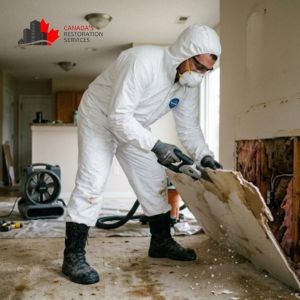
Mold generally requires professional assessment when it covers a large or spreading area, keeps returning after cleaning, grows on porous building materials, follows significant water damage or may be hidden inside the building.
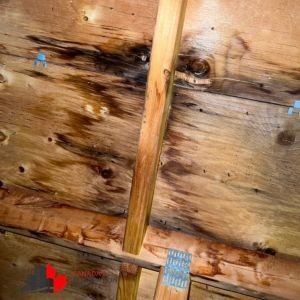
Black mold can require a more cautious approach than common household surface mold because it is often connected to deeper moisture problems, hidden contamination, and materials that may need professional removal.
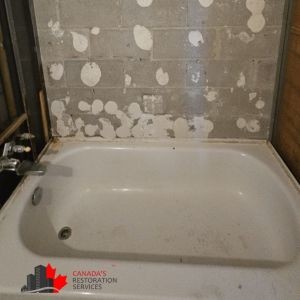
Bathrooms are common mold hotspots because they produce moisture every day. Showers, baths, steam, poor ventilation, plumbing leaks, damp grout, and wet drywall can all create the conditions mold needs to grow. If you notice staining, odours, peeling paint, or recurring dark spots, it is worth assessing the area before assuming the problem is only surface dirt.
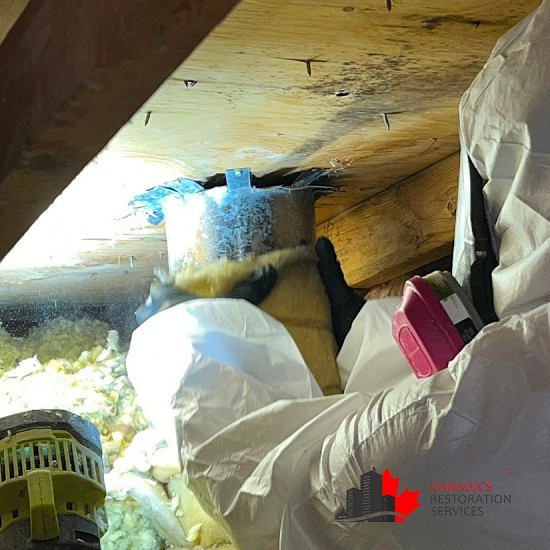
A mold inspection should include asbestos testing in Mississauga when it involves older building materials, renovation work, demolition, water damage cleanup, or areas where walls, ceilings, flooring, or insulation may need to be disturbed. Mold and asbestos are different problems, but they can overlap in older homes and commercial buildings.
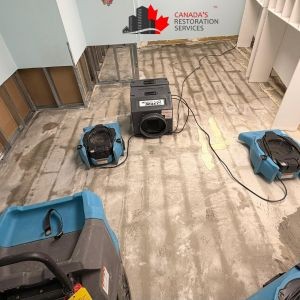
Water damage left untreated can lead to mold because damp building materials provide the moisture mold needs to grow. In some cases, mold can begin developing within 24 to 48 hours after water damage, especially when drywall, insulation, flooring, carpet, or wood remains wet.
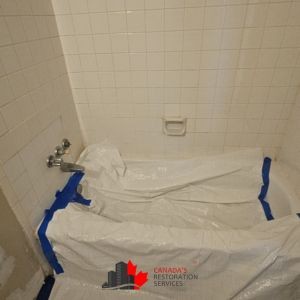
A professional mold and asbestos removal job usually involves inspection, testing when needed, containment, safe removal, cleaning, clearance, and restoration. Professional support is especially important when contamination is widespread, hidden behind building materials, connected to water damage, or involves materials that could release asbestos fibres when disturbed.
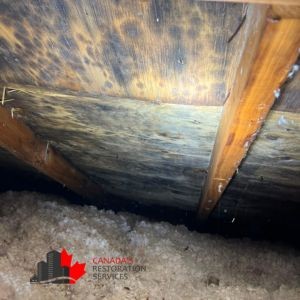
Mold usually keeps coming back after removal when the moisture source was never fully fixed or when affected materials were not properly addressed. Surface cleaning can make a wall, ceiling, or basement corner look better for a short time, but mold remediation Toronto support may be needed when growth is linked to leaks, humidity, condensation, or hidden moisture. For many homeowners, mold removal Toronto services are not just about cleaning what you can see.
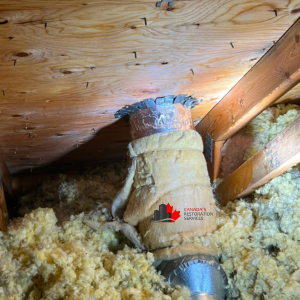
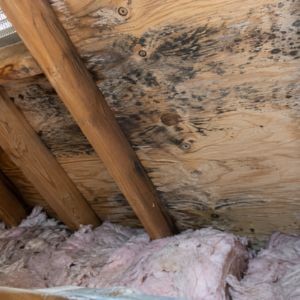
Black mold in an attic usually starts small, with a dark patch near the roof deck or around the insulation, and gets worse the longer it sits. Attics are one of the most common places for it to develop, since heat, humidity, and poor airflow create exactly the conditions mold needs to spread.
If you have scrubbed a patch of mold off your bathroom ceiling or basement wall only to see it return a few weeks later, you are not doing anything wrong with your cleaning technique. The problem is usually that surface cleaning kills the mold you can see, but it does not touch the moisture source feeding it. Mold removal in Toronto homes only works long-term when the underlying moisture issue is fixed, and the entire scope of the outbreak is understood, not just the visible spores.
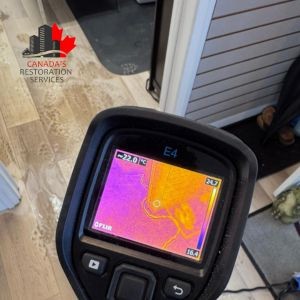
A basement usually smells musty after water damage because moisture is still trapped somewhere in the space, even if the floor looks dry. After a leak, flood, sump pump issue, sewer backup, or foundation seepage, water can move into drywall, carpet, baseboards, insulation, storage boxes, and framing. When moisture remains, mold can start growing behind finished surfaces and create the stale, earthy odour many homeowners notice. If the smell does not go away, mold testing Toronto services and professional mold removal Toronto support may be needed to find the source.
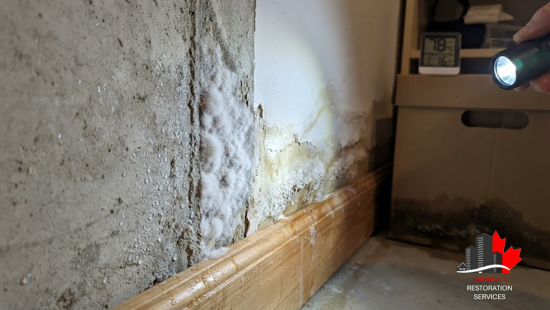
White mold is not simply a cosmetic issue. It is a sign that the environment has the right conditions for fungal growth, usually excess moisture, poor airflow, or a hidden water issue. The visible growth is often only the part you can see. The bigger concern is what may be happening underneath the surface.
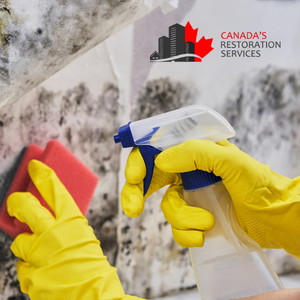
Black mold removal sprays may work on small areas of surface mold, or appear to work at first. Still, they are not usually effective for more serious infestations. Mold is fungal growth, not bacteria, and when it appears in a residential or commercial property, it is often the result of underlying conditions such as excess moisture, insufficient ventilation, or water damage.
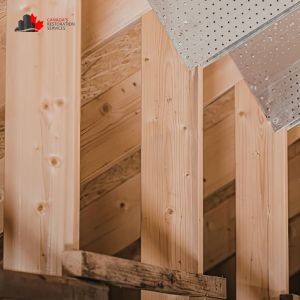
Mold can typically destroy building materials in just a few days of exposure. Uninterrupted and with access to moisture and humidity in the attic, mold spores can quickly spread and damage your plywood, causing delamination and requiring replacement. If you’ve had recent water damage in Oakville – commercial or residential- don’t wait to take action. Attic mold removal in Oakville often gets forgotten. Still, early intervention with an IICRC-certified company near you can stop the spread of mold, preserve important building materials, and save your indoor air quality.
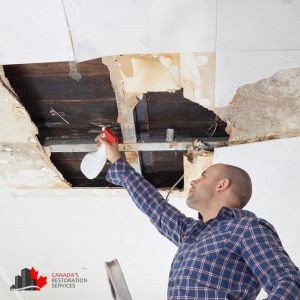
When the weather changes outside, it can cause changes within your property. Basements are vulnerable to structural damage and water damage that can lead to mold as we move from one season to the next. But these problems are unfortunately difficult to detect because they often occur outside of the path of day-to-day life or operations.
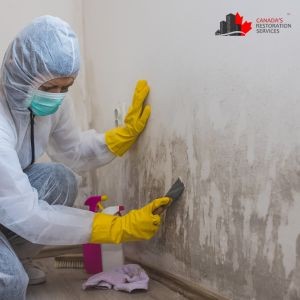
To offset the opportunity for mold in spaces that are often likely to be affected by infestations, some property owners will opt for mold-resistant paint. Typically used in bathrooms, washrooms, kitchens, and basements, mold-resistant paints are made with antimicrobial chemicals or biocide additives that work to preventatively stop mold from forming on the surface of walls and ceilings.
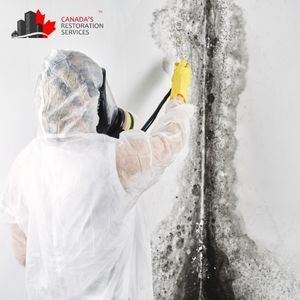
Moisture levels indoors can have a direct effect on the comfort and experience inside your home, as well as your health and that of your loved ones. Recognizing when water damage in Hamilton has occurred, or humidity levels have increased for any given reason, can help you initiate the best response, which can include mold removal in Hamilton, water damage cleanup, or flooded basement water removal to keep your air clear and property safe.
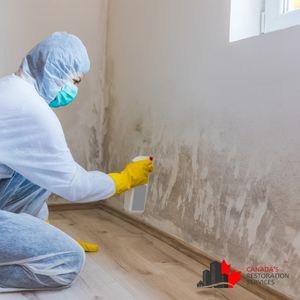
It’s not unusual for property owners, commercial or residential, to notice an uptick in mold when spring starts to set in. Big changes in the weather can affect indoor spaces and increase mold levels both outside and indoors.
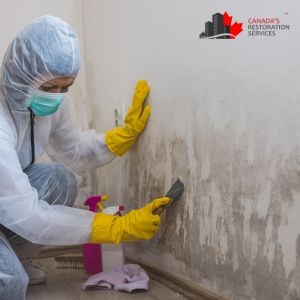
It’s not uncommon for property owners to encounter mold inside their homes, businesses, stores, warehouses, offices, and other indoor spaces. Mold is a type of fungi and part of the natural environment. Typically, outdoors, mold spores are harmless. Still, when they form infestations indoors, they can compromise air quality and building materials in your property, leaving you in need of professional mold removal in Toronto.
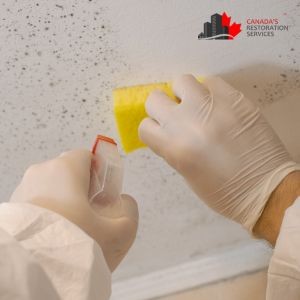
While you may not expect to see mold start to colonize and grow around your window, this can happen when moisture and organic matter meet. When mold continues to grow around your windows, it can start to contaminate the rest of your property, spreading to nearby walls, flooring, carpets, and other surfaces.
 We Work with All Insurance Companies
Proudly Serving
Cities Across Canada
Canada's Restoration Services, IICRC-certified mold removal, asbestos abatement, and water damage restoration company in Toronto and the GTA, serving all of Canada since 2008. 34,000+ inspections. Mike Holmes trusted. 24/7 emergency response.