

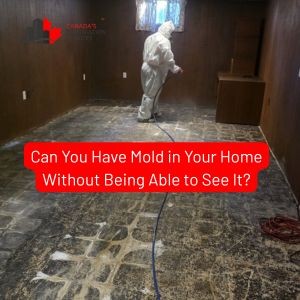
Can You Have Mold in Your Home Without Being Able to See It?
Mold can develop behind walls, beneath flooring, above ceilings, inside attics, and in other concealed spaces without being immediately visible.
Emergency Service Needed? We respond within 45 minutes
 Français
 Mold can develop behind walls, beneath flooring, above ceilings, inside attics, and in other concealed spaces without being immediately visible.
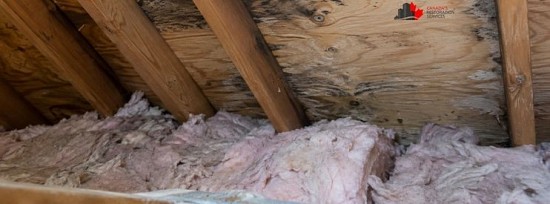
Mold can come back after professional mold removal if the moisture problem that allowed it to grow is still present or a new source of moisture develops.
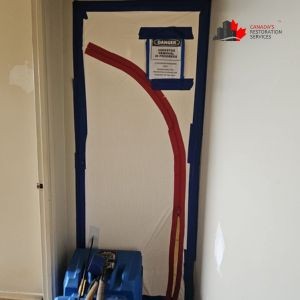
When asbestos-containing material gets cut, drilled, sanded, or broken during a renovation, it releases microscopic fibers into the air that are invisible and easy to inhale without anyone realizing it.

A kitchen fire can leave more than visible charring. Smoke, soot, melted materials, extinguishing agents and contaminated water may spread well beyond the cooking area, including into cabinets, wall cavities and nearby rooms. Professional fire restoration in Toronto should identify what burned, where the residue travelled and which materials were affected. If flames or cleanup expose older flooring, ceiling finishes or insulation, asbestos removal in Toronto may also become part of the recovery plan after appropriate inspection and testing.

Ontario's fall 2026 outlook, published by The Weather Network on September 9, 2026, calls for above-normal temperatures and an extended, milder fall, with below-normal precipitation overall and fewer classic fall storms than usual.

Test suspect building materials before renovation, demolition, repair, or any work that could cut, drill, sand, break, or remove them. This is especially important in an older or previously renovated property and whenever a material is damaged or its history is unknown. Professional asbestos removal in Mississauga identifies the material before it is disturbed.
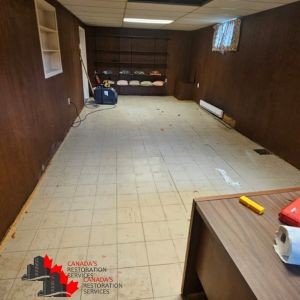
Yes. Many materials can be dried, cleaned, and restored after a basement flood, but the decision depends on where the water came from, how long materials remained wet, and whether they can be safely cleaned and dried completely.
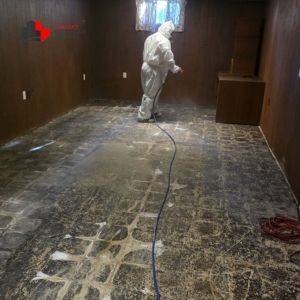
The honest answer is: right away, ideally within the first few hours. A basement flood clean up that starts fast can often save flooring, drywall, and belongings that would otherwise have to be thrown out, while a delay of even a day or two lets water soak deeper into materials and start creating conditions for mold.
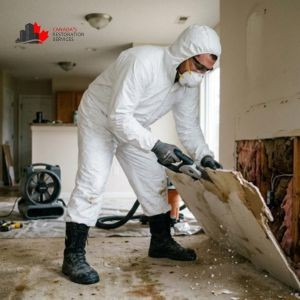
Asbestos abatement is the general term for the full process of safely dealing with asbestos-containing material, and it involves a lot more than just removing what's visible.
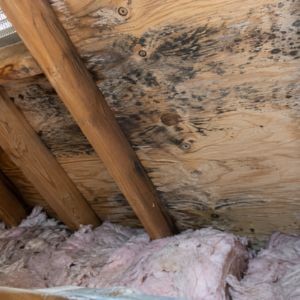
Mold coming back after a removal usually means the mold itself was cleaned up, but whatever was feeding it never got fixed.

In older homes, asbestos may be present in flooring, ceiling finishes, drywall compounds, insulation, and materials around pipes, ducts, or heating equipment.
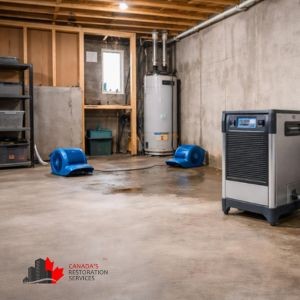
Basement flood restoration is a staged process that begins with making the area safe and controlling the source of the water.
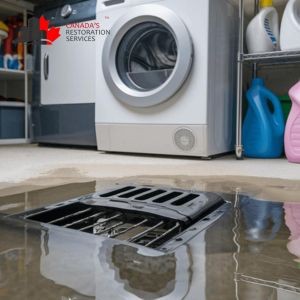
A blocked basement drain may first show up as slow drainage, gurgling sounds, unpleasant odours or water collecting around the drain.
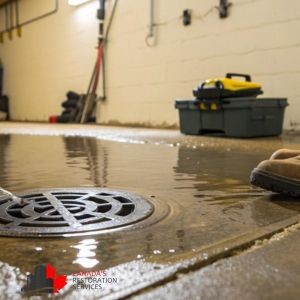
Flood cleanup addresses the immediate effects of water intrusion, including hazard assessment, extraction, moisture detection, drying, cleaning and removal of materials that cannot be restored.
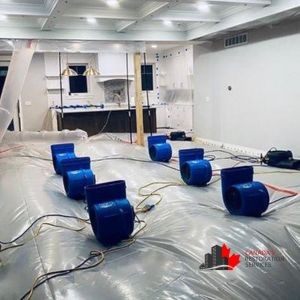
Sometimes you can remain at home during restoration, but only when the occupied areas are safe and can be fully separated from the work zone.
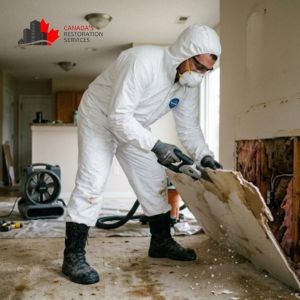
Mold generally requires professional assessment when it covers a large or spreading area, keeps returning after cleaning, grows on porous building materials, follows significant water damage or may be hidden inside the building.
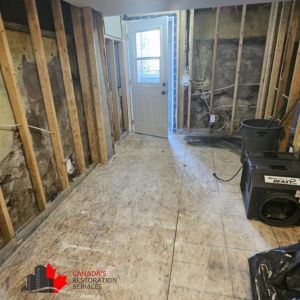
If asbestos is discovered during flood damage cleanup in Mississauga, stop work in the affected area and do not disturb the material further.
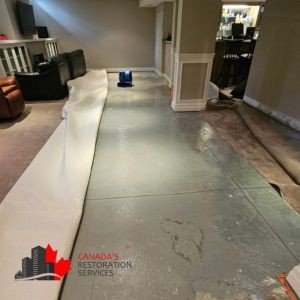
During flooded basement cleanup in Mississauga, the first steps are to stop the water source if possible, remove standing water, assess damage, dry the structure, and check whether mold may already be starting.
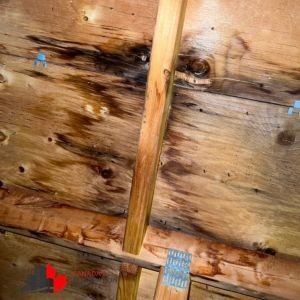
Black mold can require a more cautious approach than common household surface mold because it is often connected to deeper moisture problems, hidden contamination, and materials that may need professional removal.
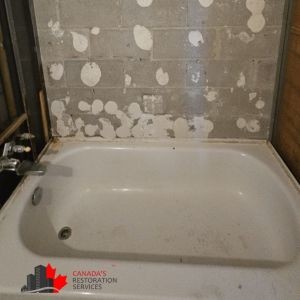
Bathrooms are common mold hotspots because they produce moisture every day. Showers, baths, steam, poor ventilation, plumbing leaks, damp grout, and wet drywall can all create the conditions mold needs to grow. If you notice staining, odours, peeling paint, or recurring dark spots, it is worth assessing the area before assuming the problem is only surface dirt.
 We Work with All Insurance Companies
Proudly Serving
Cities Across Canada
Canada's Restoration Services, IICRC-certified mold removal, asbestos abatement, and water damage restoration company in Toronto and the GTA, serving all of Canada since 2008. 34,000+ inspections. Mike Holmes trusted. 24/7 emergency response.