1.888.551.0514

What to Do If Your Boiler Is Covered In Asbestos?

Asbestos Removal
November 28, 2025

Like with many other building materials, asbestos was commonly used in the manufacturing of hot water heaters, boilers, and insulation for these types of products. The mineral was incredibly popular during this time for its unique ability to resist heat, flames, and chemical damage, which made it an ideal option for manufacturers and construction teams building high-temperature equipment. Today, these boilers are not manufactured but may still be in circulation, requiring professional asbestos removal in Toronto. If your property was built or renovated in the mid-to-late 1900s, contact the certified and experienced experts at Canada's Restoration Services to explore our abatement services and for a detailed asbestos removal cost estimate.

If you suspect your boiler contains asbestos, here's what you need to know.
Signs Your Boiler Has Asbestos

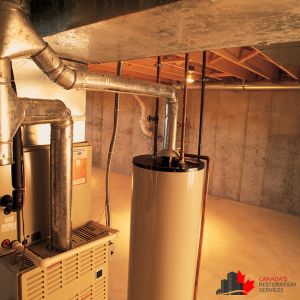
Asbestos removal in a boiler in Toronto.Boilers were often surrounded or coated in asbestos insulation to contain heat and improve efficiency. Unfortunately, the same properties that made asbestos appealing also make it incredibly hazardous when disturbed, especially in older buildings or during renovations.

Many boilers installed prior to the 1980s may still contain asbestos components, including:

It's important to remember that not all asbestos is immediately visible. If your property or boiler system is several decades old, a professional assessment is the safest way to confirm whether asbestos is actually present and an active risk. If you do not see signs of asbestos-containing materials but know that the machine was installed or the home was built in or around the 1980s, don't take on the responsibility of identifying asbestos yourself. Contact the trusted team at Canada's Restoration Services for an inspection and abatement plan. Our team will outline timelines, precautions, and asbestos removal costs, so you know exactly what to expect.

What Kind of Asbestos Was Used in Boilers?

Boiler insulation often contained amosite and chrysotile asbestos, two of the most common and hazardous forms. These types were chosen for their fire resistance and structural integrity under high temperatures, but both pose significant health risks when inhaled. In some older models, asbestos paper, cement sheets, and pipe wrap were also used.

How We Remove Asbestos from a Boiler

If you suspect your boiler is contaminated, do not attempt removal yourself. Contact the professional team certified in asbestos removal in Toronto, Canada's Restoration Services. Our finetuned and compliant process for removal will typically follow four main steps:

  1. Inspection: A licensed contractor will assess the boiler and surrounding materials. Samples may be taken and sent to an accredited lab for confirmation. Ontario law requires asbestos removal if more than 1% asbestos is found in any material.
  2. Containment: Once confirmed, the affected area is sealed off using negative air pressure systems, drop sheets, and warning signage. This prevents cross-contamination to other parts of your home or business.
  3. Removal: Using specialized tools and protective equipment, your assigned asbestos abatement team will carefully remove all affected materials, placing them into sealed containers for disposal at approved facilities. They'll also clean and vacuum the area using HEPA filtration.
  4. Restoration: After removal, clearance testing is conducted to ensure no airborne fibres remain. Damaged walls or insulation can then be safely restored using asbestos-free alternatives.

Live Asbestos-Free with Abatement from Canada's Restoration Services

Don't let asbestos put you or your loved ones at risk. Explore your options for affordable asbestos removal costs and effective abatement with the trusted team throughout the country: Canada's Restoration Services. 

Book an asbestos inspection.

guard We Work with All Insurance Companies