FAQs
Q: Is Mold Harmful to Humans?
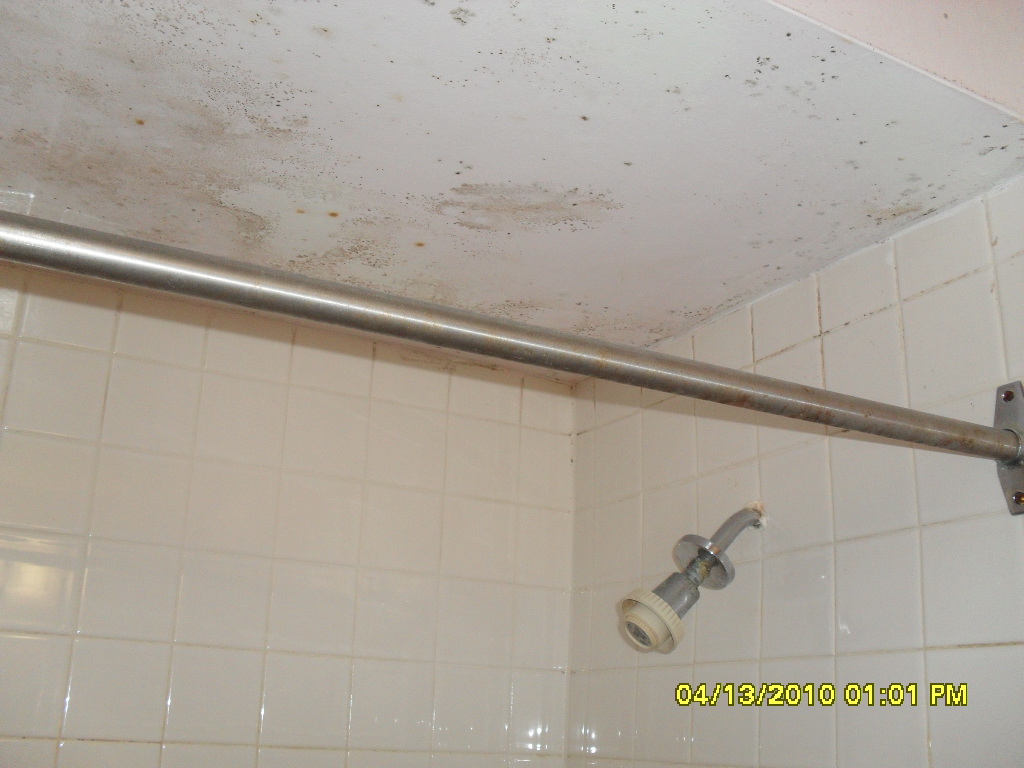
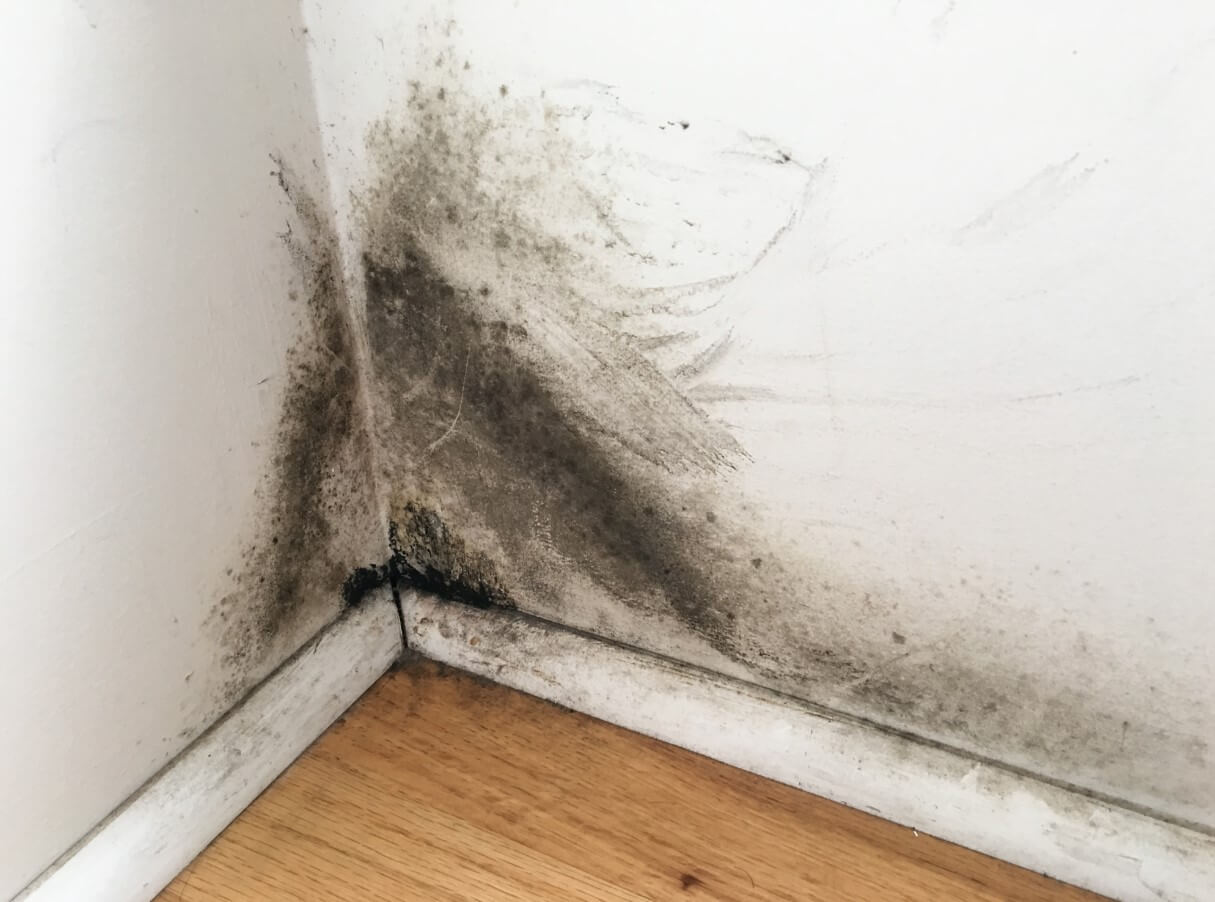
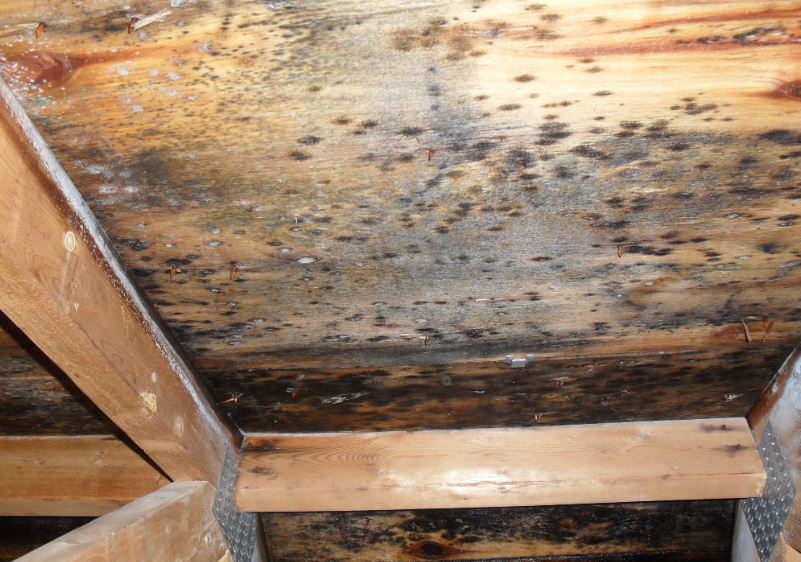
A: Mold is everywhere and yes, some can be harmful. Black mold, also known as “Strachybotrys” is the most harmful form of mold. It can cause coughing, sneezing, cold like systems, and if you are exposed to it long enough – can cause respiratory disorders. Young children, seniors and people with respiratory issues are more at risk to feel the side effects from black mold. Performing an air quality test within the home is a great way to know what is in the environment and if you could be at risk.
Q: Are there harmful and non-harmful molds?
A: There are only a few molds that can cause infection in healthy humans. Some molds cause infections only in people with compromised immune systems. Anyone that has allergies and asthma are more susceptible to infections caused by mold. As there are thousands of different types of mold, is difficult to say which are harmful and which are not. The effects of mold, vary from person to person and it depends on the amount of spores in the area.
Q: How do I know if I have mold or mildew?
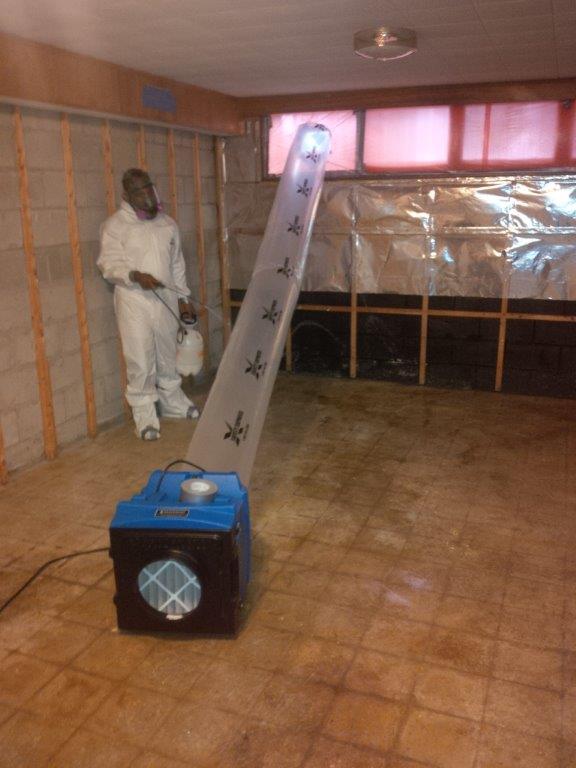
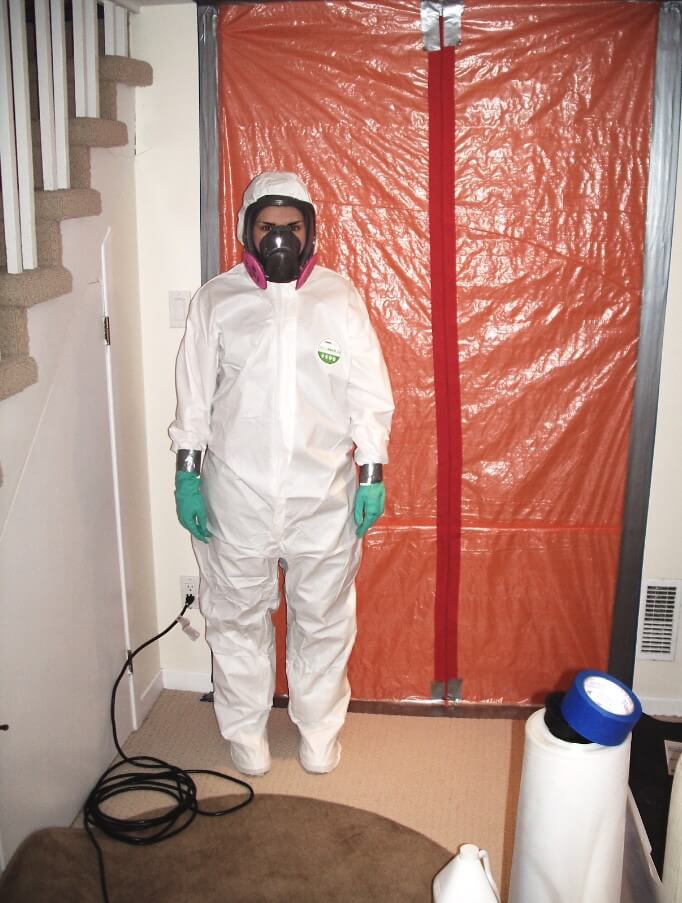
A: Mold & Mildew are both forms of fungi’s and share many of the same characteristics. Mildew typically starts out as a white or yellow colour and will eventually turn brown or black, where most molds are fuzzy and can come in various forms of colours. Mildew can also be found on plants as well as household items. Both of these fungi’s can cause health issues and should be handled by a certified mold removal company.
Q: Can I use bleach to clean the mold in my home?
A: Bleach can kill mold but the effectiveness of it does depend on what the mold is growing on. For instance, if mold is growing on non-porous materials like window sills, shower tiles, tubs and counter tops, bleach will work for removing it. But if mold is growing on porous material such as wood and drywall, the Iodine in the bleach prevents the chlorine from soaking into the materials to get at the root, and the water in bleach can actually feed the mold to continue growing.
Q: How to remove surface mold from wood furniture?
A: When finding mold on wood furniture, the removal process can be very simple as long as you know what to look for and what products to use. Whether you’re looking to spruce up your outdoor chairs or bring out wooden furniture from storage, you may find that they have developed some surface mold. This is normal because mold and mildew can easily form when wood is located near or in a source of moisture, typical to storage facilities and the outdoors. Using proper products can do the job, but if the mold growth developed over a long period of time, be sure that it hasn’t grown throughout the entire material. If it has come to this point a professional furniture restoration company may be beneficial to call.
Calgary- As the largest city of Alberta and the fifth largest city in Canada, Calgary’s economy is centered around agriculture and petroleum. It is located in the south of the province, in an area of foothills and prairie, approximately 80 km (50 mi) east of the front ranges of the Canadian Rockies. The city is located in the grassland and parkland natural regions of Alberta. As of the 2011 census, the City of Calgary had a population of 1,096,833 and a metropolitan population of 1,214,839, making it the largest city in Alberta, and the third-largest municipality and fifth-largest metropolitan area in Canada. Home development has significantly increased in the recent years due to the booming economy in Alberta. In result the risk of mold damages has also increased. We’re your go-to company for all mold emergencies
 Français