 Français

Basement flooding can be disastrous, leading to mold and bacteria growth. Quick action is needed for a safe, thorough cleanup. This article offers tips to stop mold growth following a basement flood efficiently.
Flooded basement cleanups can be a daunting task, contact a professional restoration company in Toronto like Canada's Restoration Service right away. With our skills, tools, and trained technicians we can help remove water and moisture thoroughly, reducing the chances of mold growth.
Preparing for Cleanup
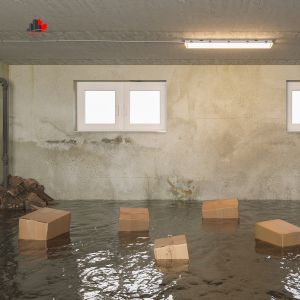 Ensuring personal safety is crucial before tackling a flooded basement cleanup. Protective gear like gloves, goggles, and masks should be worn to prevent exposure to harmful contaminants and mold spores. It's also important to shut off the electricity and gas supply to your home to mitigate potential hazards.
Gathering the appropriate equipment and materials is essential for an effective cleanup process. You'll require pumps, fans, and dehumidifiers to remove standing water and promote drying. Additionally, disinfectants, bleach, and sponges are necessary to thoroughly clean and sanitize the affected areas, ensuring a comprehensive restoration.
Cleaning Up the Basement
Removing standing water
Dealing with a flooded basement requires immediate action to mitigate further damage. The first step involves eliminating standing water using a pump or wet/dry vacuum. Proper disposal of the extracted water is crucial to prevent contamination of other areas within the home.
Drying out the basement
After water removal, the emphasis shifts to thorough drying of the basement space. Utilizing fans and dehumidifiers creates air circulation and reduces humidity levels, thereby inhibiting mold growth and safeguarding the property from additional harm.
Removing damaged materials
Subsequent to water extraction and drying, the removal of damaged materials like carpets, drywall, and insulation becomes essential. These materials can hold mold and harmful bacteria, necessitating proper disposal while exercising caution by wearing protective gear. Failing to contain mold spores can lead to their spread throughout the home.
Cleaning and disinfecting surfaces
After removing excess water, thoroughly clean all basement surfaces. Apply disinfectants, bleach, and use sponges to sanitize, preventing potential mold growth. Ensure the area dries completely, maintaining adequate ventilation.
Preventing Future Mold Growth
Addressing the underlying cause of the flooding
Identify and address the underlying cause of flooding, whether a leaking pipe, faulty appliance, or poor drainage. Promptly resolve the issue to avoid further water damage.
Implementing preventative measures
Implement preventative measures like installing a sump pump, waterproofing the basement, and maintaining proper drainage. These steps can help avoid future flooding disasters, keeping your home safe and dry. Being proactive is key to preventing recurrent water problems.
Regular maintenance and inspection
You can prevent floods and mold by performing regular home maintenance checks. Inspect for leaks, clear debris from gutters and downspouts, and service appliances regularly. This avoids potential malfunctions.
Restore Your Flooded Basement with Canada's Restoration Service
Flooding in basements presents many difficulties, but fast action, protective gear, and professional restoration services help. These measures return homes to pre-flood states. Canada's Restoration Service assists in water damage restoration and preventing future mold growth, preserving safe, healthy living spaces.