 Français

Asbestos was once a widely used building material praised for its strength, insulation properties, and resistance to fire. Unfortunately, it’s now known to pose significant health risks. When disturbed, asbestos fibres can become airborne and enter the lungs, potentially causing long-term illnesses such as mesothelioma, asbestosis, or lung cancer. One of the lesser-known but common sources of asbestos is old flooring. In homes and buildings built before the 1990s, asbestos floor tiles may still be present, quietly putting residents and workers at risk, especially during renovations.
At Canada’s Restoration Services, we help property owners identify and safely manage asbestos materials, including flooring. Recognizing asbestos tiles early and taking the proper steps can significantly reduce exposure risk. Here’s how you can start.
Why Asbestos Flooring Was Common
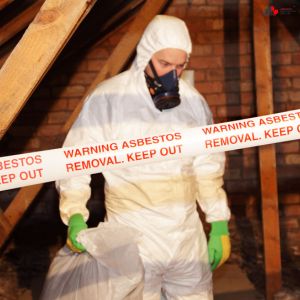 Asbestos was added to vinyl floor tiles and adhesive mastics for durability and heat resistance. These materials were cost-effective, easy to install, and long-lasting, making them especially popular in Ottawa homes and commercial buildings throughout the mid-20th century. Unfortunately, these tiles become a hazard once they begin to deteriorate, crack, or are lifted without proper safety precautions.
If you live in an older home or own a commercial space in Ottawa, there’s a chance your flooring might still contain asbestos. Knowing what to look for is the first step toward safer renovation or removal.
How to Spot Potential Asbestos Floor Tiles
When it comes to identifying asbestos in flooring, visual inspection alone is not enough to confirm its presence. However, these tips can help you determine if further investigation is warranted.
Age of the Property
If your property was built before 1990 and has never undergone a complete flooring replacement, there’s a strong chance that asbestos tiles could still be installed. This is particularly common in basements, kitchens, and utility rooms. For this reason, many of our clients in Ottawa reach out for asbestos removal before starting renovations.
Tile Size and Type
Asbestos floor tiles were often manufactured in 9x9-inch squares. These were smaller than today’s typical 12x12 or 18x18 tiles. If you notice this size in older flooring, it’s worth calling in experts to evaluate the material. Sheet vinyl flooring with discoloured, brittle backings may also contain asbestos.
Physical Clues and Condition
Tiles that are discoloured, cracked, or appear to be lifting may pose more risk, especially if they are crumbling or releasing dust. If the adhesive underneath (also known as "black mastic") has a dark tar-like appearance, it may also contain asbestos. Disturbing these materials without professional oversight is dangerous.
What to Do if You Suspect You Need Asbestos Tile Removal
If you think your flooring may contain asbestos, avoid disturbing it. Do not try to remove it yourself. At Canada’s Restoration Services, we specialize in asbestos floor tile removal across Ottawa. Our certified technicians conduct full assessments, sample testing, and safe removal following all local and federal regulations.
Asbestos removal cost can vary based on the size of the area, condition of the material, and accessibility. The good news is we provide transparent quotes and handle both residential and commercial projects. Whether you need a quick inspection or complete asbestos removal in Ottawa, our team is here to help every step of the way.
Expert Asbestos Removal Services from Canada’s Restoration Services
From start to finish, we make asbestos floor tile removal stress-free, safe, and compliant. Don’t take chances. Reach out to Canada’s Restoration Services today to protect your property and your health.
Contact us today.