What to Do First After Discovering Asbestos During a Flood Cleanup in Mississauga
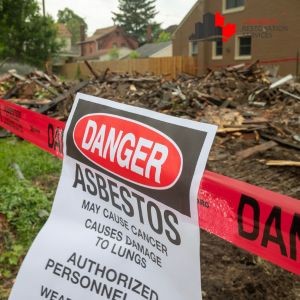
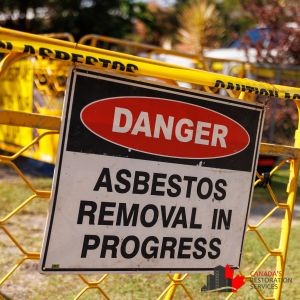
If asbestos is discovered during flood damage cleanup in Mississauga, stop work in the affected area and do not disturb the material further.
Emergency Service Needed? We respond within 45 minutes
Français
If asbestos is discovered during flood damage cleanup in Mississauga, stop work in the affected area and do not disturb the material further.
A mold inspection should include asbestos testing in Mississauga when it involves older building materials, renovation work, demolition, water damage cleanup, or areas where walls, ceilings, flooring, or insulation may need to be disturbed. Mold and asbestos are different problems, but they can overlap in older homes and commercial buildings.
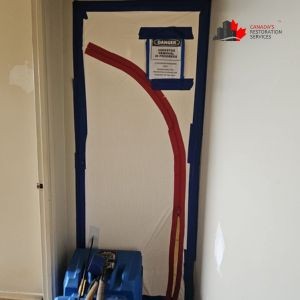
A professional mold and asbestos removal job usually involves inspection, testing when needed, containment, safe removal, cleaning, clearance, and restoration. Professional support is especially important when contamination is widespread, hidden behind building materials, connected to water damage, or involves materials that could release asbestos fibres when disturbed.
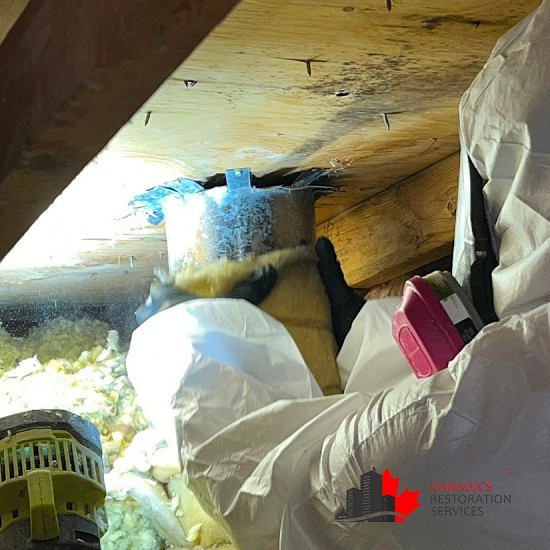
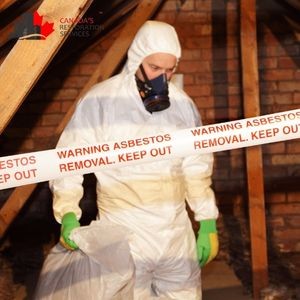
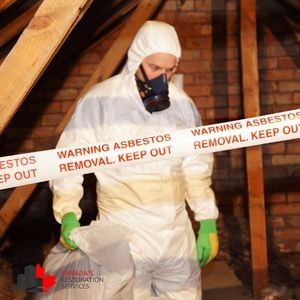
Many Toronto homeowners do not enter their attics often, so asbestos removal Toronto concerns may not come up until a renovation, inspection, or insulation upgrade begins. In older homes, asbestos abatement Toronto planning may be needed before suspected materials are disturbed.
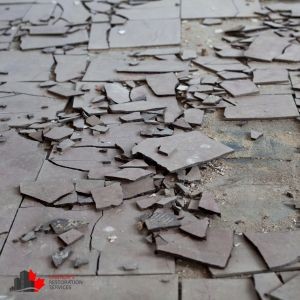
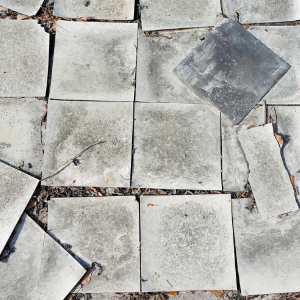
Homes with old flooring should always be checked for asbestos, as the mineral was commonly used in the mid-to-late 1960s during construction and renovations. Vinyl floor tiles, sheet flooring, backing paper, and black adhesive or mastic may contain asbestos, and there is no reliable way to confirm that by looking at the material alone, with a certified asbestos inspection in Mississauga or testing. When existing materials covering asbestos flooring are replaced, all materials, including the asbestos flooring and adhesive, must be removed prior to installation of new material.
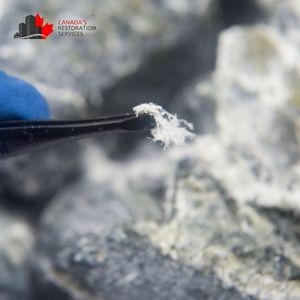
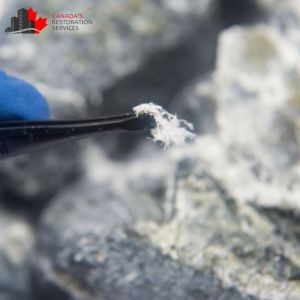
Asbestos is one thing every homeowner should be aware of. It’s highly heat-resistant and was commonly used for insulation before it was discovered to pose a severe health risk for those breathing in the asbestos fibre.
If your home was built before the 1990s, asbestos may be hidden in materials you would not think twice about disturbing during renovations, repairs, or water damage cleanup. Asbestos was commonly used in flooring, ceiling texture, insulation, pipe wrap, drywall compounds, and heat-resistant materials because it was durable and fire-resistant. Today, many properties still have these contaminated...
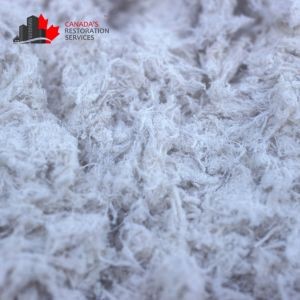
In many situations where asbestos-containing materials are installed in modern buildings and homes, the concern is whether those instances of asbestos will deteriorate or become disturbed. When asbestos fibers become airborne, they pose a real and serious risk to the people and even animals in the area.
One of the more overlooked places where asbestos-containing materials were used in construction was residential fireplaces. Because of its heat-resistant properties, asbestos fibres were the perfect fit for preventing heat transfers and uncontrolled fires around fireplaces.
Century homes in Ottawa are properties that have been around for at least the last 100 years. These styles of homes are popular among homeowners because they carry a lot of character, from detailed woodwork to historic architecture. While their charm is endearing, the age of the property means that it could come with some risks, such as asbestos.
While it’s not an everyday occurrence, it isn’t rare for property owners to discover that their flooring is installed with asbestos-containing materials. In the mid-to-late 1980s, asbestos was used heavily in construction and building materials, including flooring, to fortify the materials, making them more durable and fire-resistant.
Extended exposure to asbestos fibers has been linked to long-term chronic health conditions like asbestosis, Mesothelioma, and lung cancer. To mitigate these health conditions, asbestos is banned across the country, and in most cases, professional asbestos removal in Toronto is required when asbestos-containing materials are identified.
Asbestos removal in Edmonton is not something many homebuyers and sellers are thinking about when exploring the market, but it is a valid concern when selling or purchasing a property. Exposure to asbestos has been linked to serious health conditions such as mesothelioma, asbestosis, and Lung Cancer.
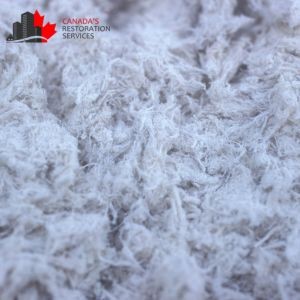
Vermiculite is a mineral that was often mined in the exact locations as asbestos. Vermiculite was used to make loose-fill insulation, usually installed in attics. Because of the mines containing both minerals, vermiculite insulation often ended up being contaminated with asbestos fibers, making it a significant risk for residential property owners, construction teams, and inspectors who would have to encounter the insulation. While we know that there is a risk of exposure and many property owners with this type of insulation have removed it with professional asbestos removal in Toronto, a risk persists if you still have not undergone asbestos insulation removal.
Historically, in Canada, asbestos was used during manufacturing to fortify building materials, including plumbing infrastructure, during the mid-to-late 20th century. This means that from the 1960s until around the 1990s, before there were widespread pushes for asbestos removal in Toronto, the mineral was found in commercial and residential properties throughout the GTA. Now, when maintenance or construction is required in these affected properties, investing in asbestos removal costs is essential to mitigate the chance of exposure.
Unauthorized or unapproved demolition projects in Edmonton or around Alberta can lead to some trouble, including fines, but more importantly, safety and health risks, especially as they surround harmful minerals like silica, lead, and commonly asbestos. Ensuring you follow legal guidelines and protocols as you prepare for renovations can protect the people around you and mitigate fines by allowing you to prioritize processes such as asbestos removal in Edmonton. For insight into managing asbestos-containing materials, a clear scope of work, and transparent asbestos removal costs, book an inspection with Canada's Restoration Services. Our team is experienced with managing asbestos ahead of renovations and can help you navigate the situation before demolition begins.
Asbestos was used in vinyl floor tiles and linoleum flooring, most commonly in the 1980s and early 1990s. The use of asbestos during this period was not limited to flooring. The mineral was used to reinforce a range of building materials, including concrete, drywall, insulation, and more. When adverse health effects began to be associated with the use of this mineral, either in manufacturing or construction, asbestos was pulled out of circulation, eventually being banned federally throughout Canada in 2018.
Asbestos is no longer being actively mined, manufactured, sold, or installed in Edmonton. The mineral was federally banned in 2018 across Canada due to the health risks associated with exposure. As a result, there continue to be widespread efforts from the government (at all levels) and other private organizations designed to draw awareness toward modern applications of asbestos that require asbestos removal in Edmonton. Investing in professional asbestos removal costs for everything from asbestos popcorn ceiling abatement to vermiculite asbestos removal can help make your home or businesses safer.
Most of the time in Alberta, known instances of asbestos-containing materials, such as vermiculite insulation or popcorn ceilings, will be mentioned by your realtor or the sellers. Deciding whether to buy a home that has asbestos-containing materials can be a tricky decision, especially for families and in a tight economy when options are limited.
Asbestos was once a widely used building material praised for its strength, insulation properties, and resistance to fire. Unfortunately, it’s now known to pose significant health risks. When disturbed, asbestos fibres can become airborne and enter the lungs, potentially causing long-term illnesses such as mesothelioma, asbestosis, or lung cancer. One of the lesser-known but common sources of asbestos is old flooring. In homes and buildings built before the 1990s, asbestos floor tiles may still be present, quietly putting residents and workers at risk, especially during renovations.
We Work with All Insurance Companies
Proudly Serving
Cities Across Canada
Canada's Restoration Services, IICRC-certified mold removal, asbestos abatement, and water damage restoration company in Toronto and the GTA, serving all of Canada since 2008. 34,000+ inspections. Mike Holmes trusted. 24/7 emergency response.